Wealth Management in Ormskirk
Considered wealth management and financial planning for Ormskirk — Edge Hill University USS and TPS members, West Lancashire farming and estate families, market-town business owners and Merseyrail commuters building careers in Liverpool.
13 miles north-east of Liverpool
approx. 25,000
approx. £280,000
Independent Financial Advisers in Ormskirk
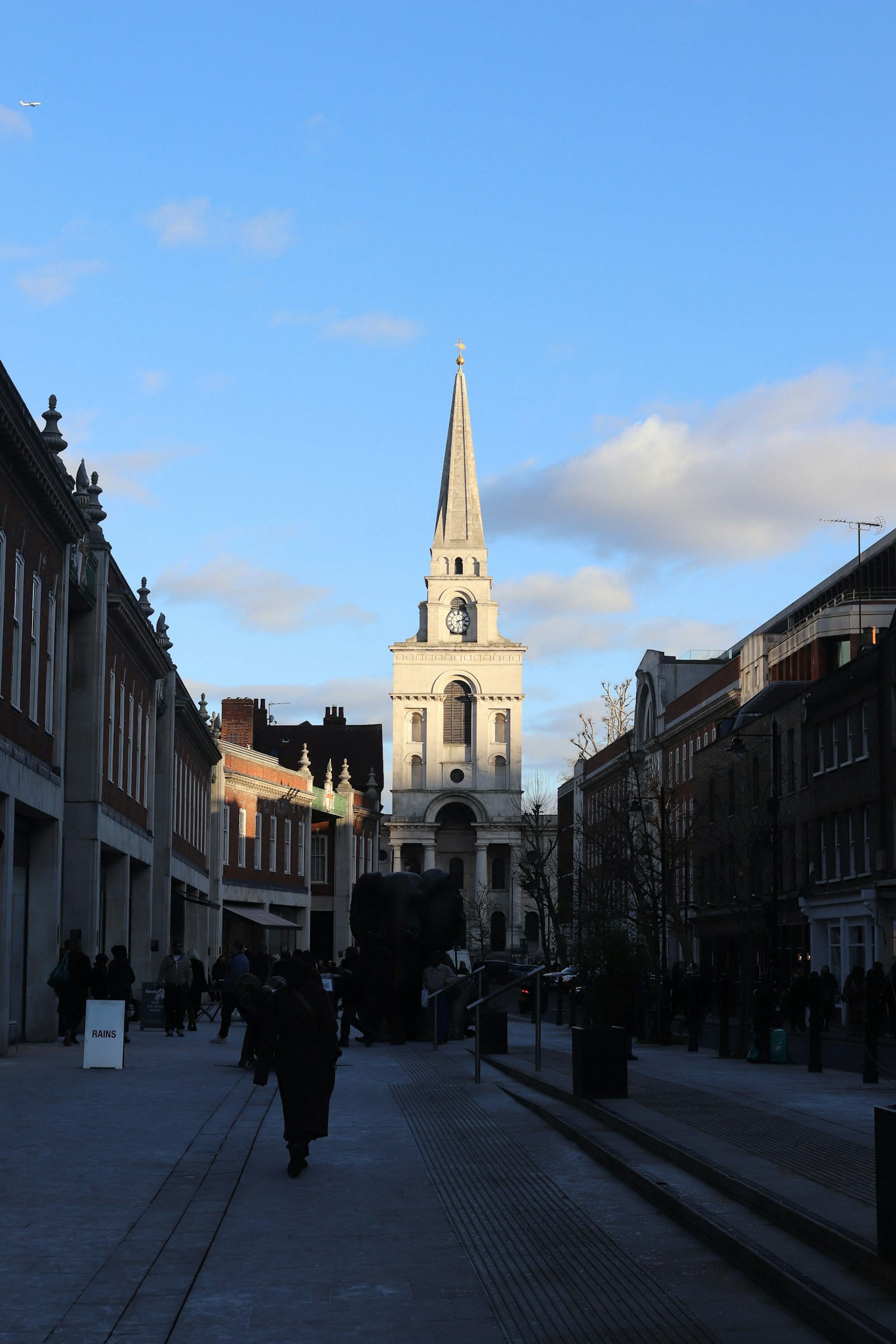
Ormskirk is a West Lancashire market town of approximately 25,000 residents, sitting thirteen miles north-east of Liverpool and holding a market charter that has been continuously exercised since 1286. Thursday and Saturday market days still shape the civic rhythm of the town, the distinctive twin-tower Grade-I parish church of St Peter and St Paul still sets the skyline, and the Merseyrail Northern Line terminates here — giving Ormskirk households a direct, reliable commuting relationship with Liverpool city centre that few other West Lancashire towns enjoy. It is, in the plainest sense, a proper market town that has kept its character while acquiring a university, a teaching hospital and a commuter belt.
The presence of Edge Hill University is the single most distinctive feature of the Ormskirk wealth picture. The former Edge Hill College of Higher Education was granted university title in 2006 and has grown into one of the larger post-1992 institutions in the North-West, with a long teacher-training lineage that means a substantial share of senior academic and professional staff hold Teachers' Pension Scheme entitlements alongside the Universities Superannuation Scheme. For long-tenure staff whose careers bridged the college-to-university transition, USS and TPS benefits frequently sit side-by-side on the same household balance sheet, each with its own accrual rules, annual-allowance exposures and decumulation options. The planning conversations that result are unlike those in any other Liverpool Wealth catchment town.
Beyond the university, the town carries Ormskirk and District General Hospital (part of Mersey and West Lancashire Teaching Hospitals NHS Foundation Trust), a cluster of professional-services and legal firms around Burscough Street and Church Street, and the agricultural, equestrian and country-estate economy of the wider West Lancashire hinterland — running north through Scarisbrick, Rufford and Croston and out toward Rufford Old Hall, the National Trust Tudor property that anchors the rural north of the district. Ormskirk households we advise therefore fall into three fairly clear groups: academic and NHS professionals, market-town business owners and professional advisers, and landowning or farming families whose planning priorities have been meaningfully reshaped by the 2026 Agricultural Property Relief reforms.
Housing in Ormskirk sits at an average of approximately £280,000, with substantial Georgian and Victorian stock around the town centre, mid-market family housing in the Aughton, Bickerstaffe and Scarisbrick fringes, and premium period property — rectories, converted farmsteads and country houses — stretching into the rural hinterland. Schooling is strong, with Ormskirk School, Ormskirk Comprehensive and St Bede's Catholic High as the main state catchment and an active set of independent-school commuter choices. The resulting client profile is cautious, considered and long-horizon — closer to the academic-and-landowning mix we see in the cathedral towns of the East Midlands than to the pure commuter belts of the Merseyrail Southport line.
The Ormskirk Economic Picture
Major employers & sectors
- Edge Hill University — major academic and professional-services employer (USS and TPS membership)
- Ormskirk and District General Hospital — Mersey and West Lancashire Teaching Hospitals NHS Foundation Trust
- West Lancashire Borough Council — civic and administrative functions
- Professional services, legal and accountancy firms around Burscough Street and Church Street
- Agricultural, equestrian and country-estate employment across the rural West Lancashire hinterland
- Independent retail, hospitality and market-trading businesses in the town centre
Transport & connectivity
- Merseyrail Northern Line terminus at Ormskirk station — direct services into Liverpool Moorfields, Liverpool Central and Hunts Cross
- Northern Rail services from Ormskirk to Preston and onward to the West Coast Main Line
- A59 direct to Preston northbound and to Liverpool southbound; A570 to Southport
- M58 motorway access within ten minutes — linking to the M6 at junction 26 and to the M57 at junction 1
Notable features
- Market charter continuously exercised since 1286 — Thursday and Saturday market days
- Grade-I twin-tower parish church of St Peter and St Paul — one of only three in England with both tower and spire
- Edge Hill University — former college granted university title in 2006
- Ormskirk and District General Hospital
- Merseyrail Northern Line terminus — direct trains to Liverpool Moorfields and Liverpool Central
- Rufford Old Hall (National Trust) and the rural hinterland of Scarisbrick, Rufford and Croston
How Ormskirk's wealth profile shapes our advice
Edge Hill University pension planning is the single most specialised workstream we carry out for Ormskirk clients. A senior academic or long-tenure professional-services member of staff may hold USS benefits across both the defined benefit and defined contribution sections, TPS benefits from pre-university college years or from a seconded schools role, and sometimes legacy local-authority LGPS entitlements from earlier careers in teacher training. Decisions around USS annual-allowance charges during salary-growth years, the coordination of USS scheme pension with any TPS entitlement, and the sensible sequencing of scheme pensions against any personal SIPP all require specialist handling. These are not decisions to be taken in the final year before retirement — they are multi-year pieces of planning that reward early, evidenced work.
Ormskirk's rural West Lancashire hinterland — the agricultural land running out toward Scarisbrick, Rufford and Croston, and the equestrian and country-estate properties that dot the district — sits within our catchment and carries a meaningfully different inheritance-tax profile from April 2026 onward. The combined cap on Agricultural Property Relief and Business Relief at £1 million of qualifying assets is the most significant rural IHT change in a generation, and for working farms, let-land holdings and family estates that have relied on APR and BR to pass intergenerationally without tax, the change demands proactive review of ownership structure, lifetime gifting strategy and, where appropriate, trust structures. We coordinate this work with agricultural solicitors and specialist land agents where a case warrants it.
The market-town business base of Ormskirk — independent retailers and cafés along Aughton Street and Burscough Street, professional-services firms on Church Street, farming suppliers and veterinary practices in the rural fringe — produces a steady flow of owner-managed-business planning. Extraction strategy through a mix of salary, dividends and employer pension contributions, use of Business Relief-qualifying holdings within the personal balance sheet, and eventual exit or succession planning (particularly where the next generation is not taking the business on) are recurring conversations. Limited-company directors in this demographic frequently have strong trading businesses but under-funded personal pensions, and carry-forward of unused annual allowance is often the first productive intervention.
Merseyrail commuting from Ormskirk terminus into Liverpool Moorfields and Liverpool Central shapes a fourth category of client — mid-career professional households in Aughton, Lathom and Burscough working in Liverpool's legal, maritime, NHS-management, university-administration or financial-services sectors. For these households the planning priorities are less about retirement income and more about workplace pension review (many sit on default funds on statutory minimum contributions), ISA accumulation, early protection before mortgages scale up and the measured introduction of inheritance-tax planning as property values in the more sought-after Ormskirk postcodes approach and exceed the standard nil-rate bands.
Financial planning themes in Ormskirk
Ormskirk households frequently hold specialised public-sector pension entitlements — USS across both the defined benefit and defined contribution sections, TPS for staff with pre-university college service or schools backgrounds, and NHS pension arrangements at the local hospital — and the coordination of these with any personal SIPP is a technical piece of planning. The rural hinterland's farming and country-estate families face the most significant inheritance-tax change in a generation with the 2026 Agricultural Property Relief cap. Market-town business owners often have strong trading companies but under-funded personal pensions and no clear succession strategy, and Merseyrail commuters into Liverpool typically carry several unreviewed workplace pots alongside rising property-based IHT exposure.
Our Services for Ormskirk Clients
Pensions & Retirement
Specialist coordination of Edge Hill University USS benefits across the defined benefit and defined contribution sections, TPS entitlements for staff with college or schools-era service, NHS Pension Scheme planning for hospital members, and full retirement income modelling across both spouses for Ormskirk households approaching retirement.
Learn moreInvestment Management
Considered, long-horizon investment portfolios for Ormskirk academic and professional households, ISA and general investment account strategy, drawdown portfolios matched to scheme-pension income, and spousal allocation designed to use both sets of tax allowances each year.
Learn moreTax Planning
Annual-allowance and tapered-allowance planning for high-earning USS members, early inheritance tax review for the rural hinterland under the 2026 APR and BR reforms, limited-company extraction strategy for Ormskirk business owners, and income-tax sequencing across scheme pensions, state pension and personal drawdown.
Learn more